


Anti -Inflammatory Recipes
Eating an anti‑inflammatory diet isn’t about strict rules or deprivation—it’s about choosing foods that help your body stay balanced, energized, and resilient. Chronic inflammation has been linked to conditions such as heart disease, arthritis, diabetes, and even cognitive decline. While inflammation itself is a natural defense mechanism, long‑term, low‑grade inflammation can quietly wear down your health. The way you eat can either fuel that fire or help calm it.
An anti‑inflammatory diet focuses on whole, minimally processed foods that provide antioxidants, fiber, healthy fats, and phytonutrients. These nutrients work together to reduce oxidative stress and support your immune system. At its core, this way of eating resembles the Mediterranean diet, emphasizing colorful produce, lean proteins, and nourishing fats.
🌿 What an Anti‑Inflammatory Diet Emphasizes
- Colorful fruits and vegetables: Berries, leafy greens, tomatoes, peppers, and cruciferous vegetables are rich in antioxidants that help neutralize free radicals.
- Healthy fats: Olive oil, avocados, nuts, and seeds provide monounsaturated and omega‑3 fats that help regulate inflammation.
- Fatty fish: Salmon, sardines, and mackerel are excellent sources of EPA and DHA, omega‑3s known for their anti‑inflammatory effects.
- Whole grains: Oats, quinoa, brown rice, and barley offer fiber that supports gut health, which plays a major role in inflammation.
- Herbs and spices: Turmeric, ginger, garlic, cinnamon, and rosemary contain compounds that naturally reduce inflammatory pathways.
- Plant‑based proteins: Beans, lentils, tofu, and chickpeas provide fiber and minerals without the inflammatory effects associated with some processed meats.
🔥 Foods to Limit for Lower Inflammation
- Refined carbohydrates: White bread, pastries, and sugary cereals can spike blood sugar and promote inflammation.
- Added sugars: Excess sugar contributes to oxidative stress and metabolic imbalance.
- Processed meats: Bacon, sausage, and deli meats contain preservatives and compounds linked to inflammation.
- Excessive alcohol: While moderate intake may be fine for some people, too much alcohol increases inflammatory markers.
- Highly processed snacks: Chips, packaged baked goods, and fast food often contain trans fats and additives that strain the body.
🌱 Why This Way of Eating Works
The anti‑inflammatory diet supports the body on multiple levels. Antioxidants help repair cellular damage. Fiber feeds beneficial gut bacteria, which in turn produce compounds that reduce inflammation. Healthy fats support hormone balance and brain function. Together, these elements create a nutritional environment that helps your body thrive rather than fight.
Another benefit is that this diet naturally encourages stable blood sugar levels. Spikes and crashes in blood sugar can trigger inflammatory responses, so eating balanced meals with protein, fiber, and healthy fats helps maintain steadier energy throughout the day.
🍽️ Practical Ways to Get Started
- Build meals around plants: Fill half your plate with vegetables at lunch and dinner.
- Swap refined grains for whole grains: Choose brown rice instead of white, or whole‑grain bread instead of refined.
- Add omega‑3s weekly: Aim for two servings of fatty fish each week or incorporate chia and flax seeds.
- Use herbs and spices generously: They add flavor and anti‑inflammatory benefits without extra calories.
- Choose whole foods over packaged options: The fewer ingredients on the label, the better.
🌟 The Bigger Picture
Eating an anti‑inflammatory diet isn’t a quick fix—it’s a long‑term approach to supporting your body’s natural healing processes. Over time, many people notice improved digestion, steadier energy, clearer skin, and reduced joint discomfort. It’s a lifestyle that encourages nourishment rather than restriction, making it both sustainable and enjoyable.
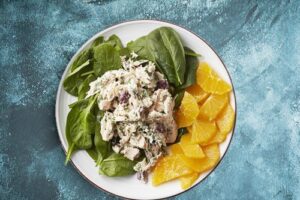
Mediterranean Tuna Spinach Salad
Mediterranean Tuna Spinach Salad Why You Should Eat Tuna: A Delicious and Nutritious Powerhouse Tuna is more than just a convenient sandwich filling or a sushi favorite—it’s a nutritional powerhouse that can play a valuable role in a balanced, health-conscious diet. Whether you enjoy it fresh, canned, grilled, or […]

Healthy Gut Juice
Healthy Gut Juice Healthy Gut juicing is a lifestyle When people talk about gut health, they are referring to much more than digestion. The gut is home to trillions of bacteria that influence immunity, mood, energy, and even skin health. A balanced gut microbiome is like a thriving garden—it needs […]

Ground Turkey Sweet Potato Stuffed Peppers
Ground Turkey Sweet Potato Stuffed Peppers These Ground Turkey Sweet Potato Stuffed Peppers are a nutrient-dense, protein-rich meal made with whole ingredients. They’re naturally gluteen-free, easy to customize for paleo eaters, and perfect for a healthy weeknight dinner. Ground Turkey Sweet Potato Stuffed Pepper Recipe Details Yields: 4 servings Prep […]

Baked Salmon with Almond Flaxseed Crumbs
Baked Salmon With Almond Flaxseed Crumbs Baked Salmon Recipe Yields: 5 (5 ounces each) The bulbs of the scallions are a source of FODMAPs, so using only the scallion greens in this recipe keeps it IBS-friendly. This recipe combines the crunch of nuts and flaxseed with the texture of tender […]

Delicious Turmeric Lime Chicken Recipe
Tumeric Lime Chicken Yields: 6 Turmeric Lime Chicken is an easy and quick anti-inflammatory dinner dish made from breaded pan-fried chicken that can be served with fresh mango salsa, vegetables, or in a sandwich. Ingredients: 6 skinless, boneless chicken breasts (NOT thick) You can buy 3 thick breasts, butterfly and […]

Baked Buffalo Cauliflower
Baked Buffalo Cauliflower Baked Buffalo Cauliflower recipe yields: 2-4 The cauliflower is chopped into bite-size pieces and battered in a mixture of banana flour and water before it gets baked in the oven with a buttery hot sauce. Banana flour is a gluten-free alternative to wheat flour that is commonly […]