Prevent Muscle Loss While You Age
Muscle Loss: Causes, Prevention, and Natural Solutions
Muscle loss or Sarcopenia begins as we reach our late 30s and can continue a steady, downhill course quicker than you think. If you are physically inactive you can lose as much as 3 to 5 percent of your muscle mass per decade after age 30.
While everyone loses some muscle mass with age, it is possible to prevent and even reverse muscle loss with regular exercise and other natural methods:
Exercise for Strength and Muscle Prevention
Without question, exercise is the most powerful tool to prevent muscle loss. Research has shown that a program of resistance training, in particular, can improve muscle strength and frailty in elderly adults. Daily exercise is recommended, but a minimum of 3 days per week can slow natrual decline in muscle mass and prevent Sarcopenia.
Eat More High Quality Protein
Protein is the most valuable food for building and repairing muscle fibers. Studies show that both men and women over age 70 eat significantly less protein than recommended on a daily basis. But when it comes to preventing or repairing declining muscle mass, it’s not just how much you eat, but also what type of protein you are eating as not all protein is created equal. We recommend the following proteins are included in your diet:
1. Free-range eggs
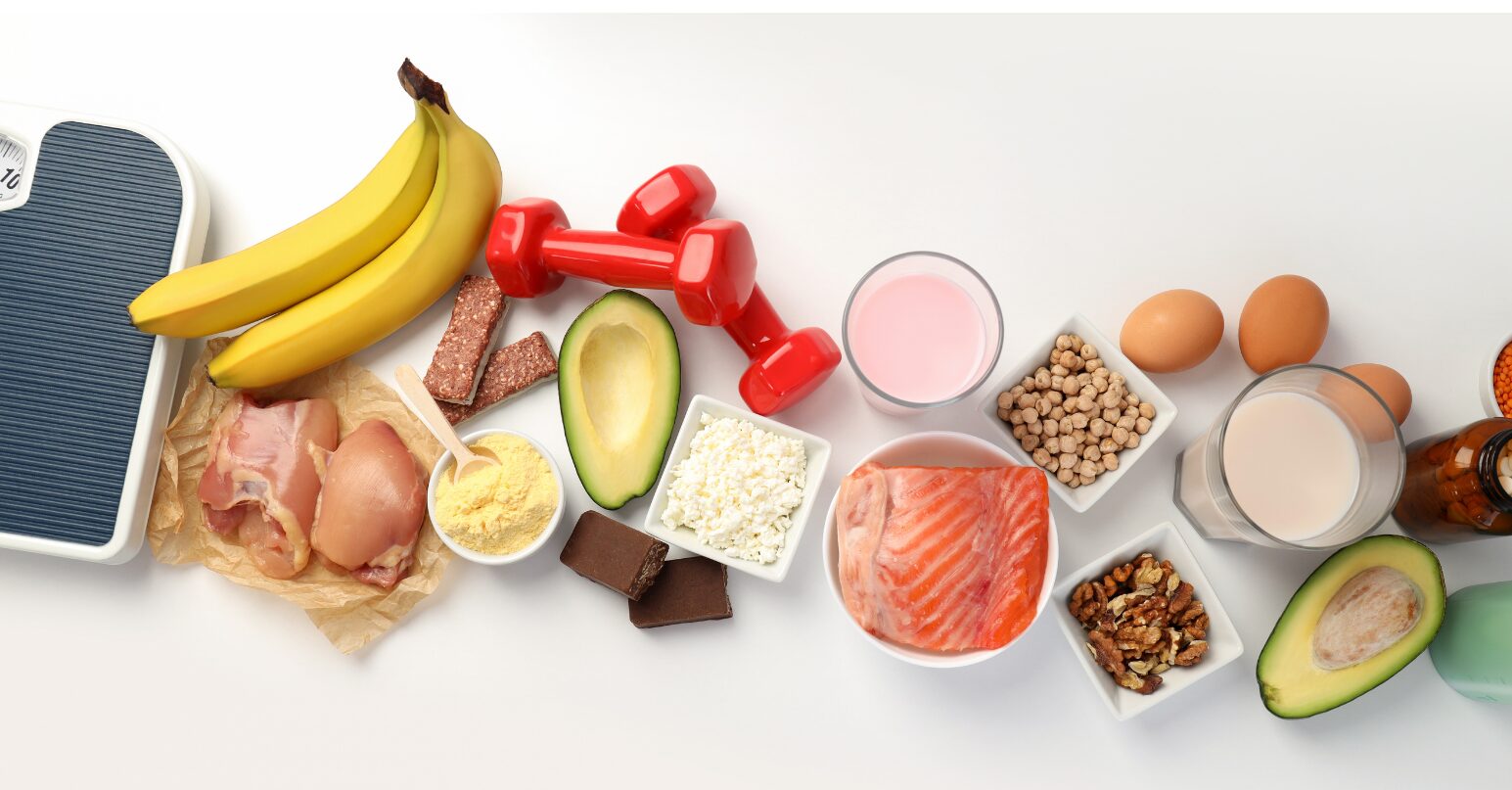
2. Egg, Pea or Vegetable based protein powder (organic)
3. Lentils
4. Wild-caught fish (salmon, mackerel, tuna etc)
5. Organic Chicken
6. Grass-fed beef
7. Black beans (or other bean varieties)
Consistently consuming high-quality protein throughout the day can further reduce muscle breakdown and support muscle repair.
Supplements for Muscle Support
If you find it difficult to get enough protein from your diet, supplementing with a high quality, plant-based protein powder may be a good idea. One of our favorites is Ultra Protein Green. Ultra Protein Green gives you a good dose of protein plus all of your greens for the day, and it tastes great. Click here to order.
Supplementing regularly can help maintain muscle mass, especially for those already experiencing reduced muscle strength or struggling with diet consistency.
Hormone Balance
Hormone imbalances can significantly affect muscle health and strength. For older women in particular, it is believed that hormonal changes may play a role in Sarcopenia. Menopause is linked to reduced concentrations of a hormone called estradiol. There appears to be impaired muscle performance during the postmenopausal period due to a decrease in ovarian hormone production.
There are many ways to balance hormones naturally, which is important to prevent further decline in muscle mass. Get your hormones tested to see where you stand. Addressing hormone health early can slow this process and improve overall energy and strength.
Vitamin D and Muscle Health
Vitamin D deficiency is the most common nutritional deficiency for older adults. Up to 90 percent of adults in the U.S. are believed to have low vitamin D blood levels. Many studies have shown that low blood levels of vitamin D (under 30) are associated with lower muscle strength, increased body instability, falls and disability in older subjects.
Supplementation of vitamin D can help improve muscle function and muscle mass. An optimal level would be between 70-100. We recommend Vitamin D 5000 from Douglas Labs. Get it here.
Muscle Loss Treatment and Support in Ponte Vedra
As always, if you have any questions or would like additional information on the services we provide, visit our website at www.sciencewellness.net or schedule a free 30-minute nutritional consultation with Dr. Nickels at one of our convenient locations.
If you are in Florida and struggling with muscle loss, our team provides personalized nutrition and hormone support plans to help you regain strength and improve long-term health.
904.834.2337

Our recommended product for aging, Klean Creatine.
Call our office at 904-834-2337 to purchase for pick up or to ship!
Creatine supplementation is widely recognized for helping improve strength, performance, and reducing age-related muscle decline.